Gorilla Tag: Ultimate Tips & Strategy Guide for 2025
Introduction
Gorilla Tag has become one of VR’s most beloved social games, blending physical movement, playground-style tag, and an active community. Unlike traditional games, Gorilla Tag requires your actual arm movements and body mechanics to climb, swing, and chase other players through virtual environments. To excel, players need more than quick reflexes—they must master VR comfort, movement physics, map knowledge, and social dynamics. This guide offers advanced tips and tactics for both newcomers and seasoned climbers, helping you dominate lobbies, improve stamina, and enhance your VR experience.
1. Understanding Gorilla Tag’s Core Mechanics
Locomotion Basics
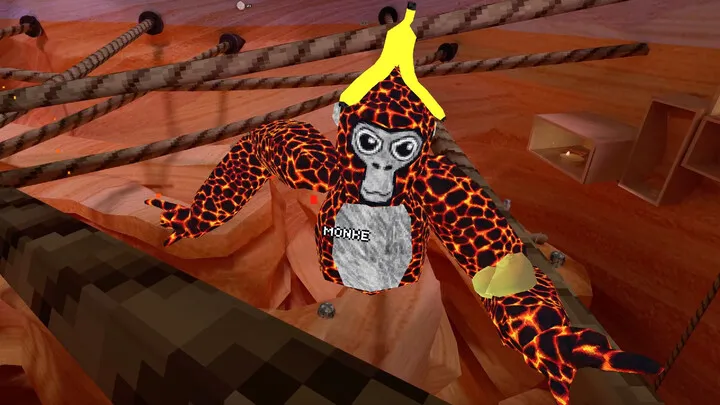
- Locomotion Through Arm Movement: Gorilla Tag uses your arms as the primary method of movement. Pushing off the ground or walls propels you forward, while climbing relies on hand-over-hand motions. Practicing smooth, controlled pushes prevents fatigue and improves speed.
Modes and Rules
- Tag Variants and Rules: Standard Tag, Infection, and Casual modes each demand different approaches. Infection mode spreads the “tagged” status, while Casual offers stress-free practice.
Physics Awareness
- Gravity and Physics: The game’s physics engine rewards momentum. Swinging your arms quickly and pushing at the right angle increases travel distance. Experiment with slopes and tree trunks to understand momentum conservation.
Situational Awareness
- Spatial Awareness: Constantly scan your environment—trees, walls, and ramps can become escape routes or shortcuts. Peripheral vision is key to avoiding sudden tags.
2. VR Comfort and Setup Optimization
Space and Equipment
- Room Scale and Play Area: Ensure you have enough physical space for arm swings. Clear obstacles to prevent real-world collisions.
- Controller Grip and Straps: Secure straps to avoid dropping controllers mid-swing. Use comfortable grips to reduce hand strain.
Headset and Visuals
- Headset Settings: Adjust refresh rate and field of view for smoother visuals. Higher refresh rates reduce motion sickness.
Physical Preparation
- Warm-Up Routines: Perform gentle stretches for shoulders, arms, and wrists before long sessions. Proper warm-up reduces fatigue and potential strain.
- Comfort Tips: Use shorter sessions if you’re new to VR to acclimate gradually. Drink water to stay hydrated and take breaks to avoid dizziness.
3. Basic Movement Techniques for Beginners
Ground and Wall Moves
- Ground Pushing: Use both hands alternately to “walk” forward. Focus on even pushes for stable motion.
- Wall Tapping: Push off walls for quick changes in direction or to escape tight spots.
Climbing and Swinging
- Tree Climbing: Grab the trunk with alternating hands in a rhythmic motion. Practice climbing different tree types to understand spacing and timing.
- Swing Momentum: Use your body’s lean and arm extension to carry momentum between swings.
Recovery
- Fall Recovery: If you slip, immediately push off nearby surfaces to regain speed and avoid getting tagged.
4. Intermediate Tactics: Escaping and Chasing
Reading Opponents
- Predicting Opponents: Observe player patterns—most beginners follow direct routes. Anticipate and cut them off instead of chasing directly.
Movement Tricks
- Fake-Outs: Pretend to move one way, then quickly change direction using a wall push or tree grab.
- Height Advantage: Higher ground gives visibility and escape options. Learn to climb to treetop branches and drop strategically.
Speed and Gaps
- Momentum Linking: Combine ground pushes, wall taps, and tree grabs to maintain uninterrupted speed.
- Closing Gaps: Use diagonal routes rather than straight lines—this lets you intercept rather than follow.
5. Map Knowledge and Environment Use
Maps Overview
- Forest Map: Learn tree clusters and rock formations—these create natural loops for escapes.
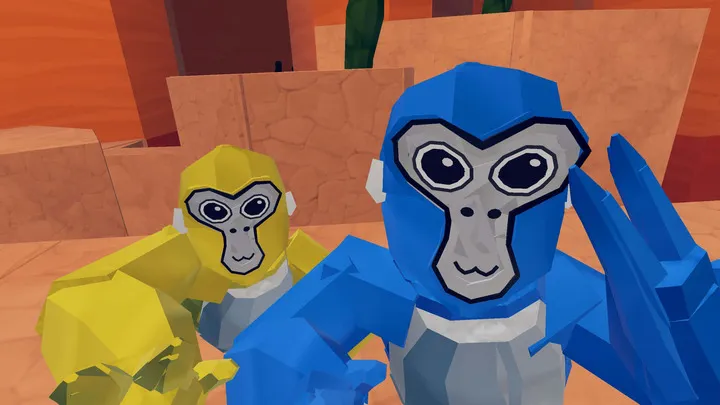
- Canyon Map: Use narrow passages to funnel opponents or break line of sight.
Vertical Play
- Caves and Vertical Spaces: Master vertical climbing for sneaky escapes and ambushes.
Secret Paths
- Hidden Routes: Explore alternative paths to surprise opponents. Memorize unusual climbs or shortcuts.
Environmental Mastery
- Environmental Tricks: Push off sloped surfaces to gain speed or launch upward for dramatic escapes.
6. Advanced Movement Tricks and Pro-Level Plays
Specialized Techniques
- Wall Running: Angle your pushes to run along walls for extended movement without touching the ground.
- Branch Hopping: Leap between treetops for fast, unpredictable routes. Time your swings precisely to avoid falling.
Deceptive Moves
- Slide Cancelling: Use quick direction changes mid-slide to throw off chasers.
- Reverse Climbing: Climb backward or sideways to confuse opponents watching your movements.
Combos
- Combining Techniques: Chain advanced moves like wall running into branch hopping for seamless escapes.
7. Social Play, Etiquette, and Community Tips
Positive Interaction
- Positive Communication: Use voice chat to coordinate, encourage, or joke without trash talk. A friendly attitude strengthens the community.
Lobby Awareness
- Lobby Dynamics: Observe player behavior—some lobbies are competitive, others are casual or social. Adapt your style accordingly.
Community Contribution
- Teaching New Players: Helping beginners improves the overall experience and earns respect.
- Avoid Toxicity: Mute or leave lobbies where negativity or harassment occurs. Protect your mental well-being.
- Event Participation: Join community events or custom lobbies for unique challenges and friendships.
8. Custom Games, Mods, and VR Upgrades
Customization and Practice
- Custom Lobbies: Host private matches to practice with friends or experiment with new tricks.
Modding Tips
- Popular Mods: On PC VR platforms, mods can introduce new maps or physics. Only use trusted sources to avoid issues.
Hardware and Accessories
- Hardware Upgrades: Higher refresh rate headsets and quality tracking improve performance.
- Accessories: Grips, extended cables, and counterweights for your headset can reduce fatigue.
Safety
- Safety Considerations: When modding, follow community rules to avoid bans or glitches.
9. Competitive Play and Rank Improvement
Skill Growth
- Consistent Practice: Dedicate time to movement drills—branch hopping, wall running, and fake-outs.
- Analyzing Gameplay: Record matches to study mistakes and successes. Look for inefficient routes or hesitation points.
Teamwork
- Team Strategy: Coordinate with skilled players for infection or tag modes. Roles like chaser and bait can be planned.
Staying Current
- Meta Awareness: Stay updated on new movement trends or community-discovered techniques.
- Tournament Participation: Join community tournaments or ranked lobbies to test skills against top players.
10. Physical Fitness and Long-Term Enjoyment
Health and Safety
- Stamina Building: Regular play improves endurance. Incorporate light cardio outside the game to enhance VR performance.
- Injury Prevention: Stretch before and after play. Avoid overextending joints or swinging wildly.
Balanced Play
- Balanced Sessions: Schedule breaks to prevent fatigue and motion sickness.
- Community Engagement: Participate in forums, Discord servers, and VR meetups to stay connected.
Mindset
- Fun First: Remember Gorilla Tag’s playground roots—focus on enjoyment, not just competition.
Conclusion
Gorilla Tag isn’t just a VR game—it’s a full-body experience that rewards creativity, movement mastery, and community spirit. By understanding its physics, optimizing your setup, and refining your movement techniques, you’ll gain a competitive edge in every lobby. Whether you’re climbing trees in casual play or competing in tournaments, these strategies will help you escape tags, catch opponents, and build lasting connections in one of VR’s most vibrant communities.