Tsuki’s Odyssey and the Hidden Struggle with Slow Progression
Introduction
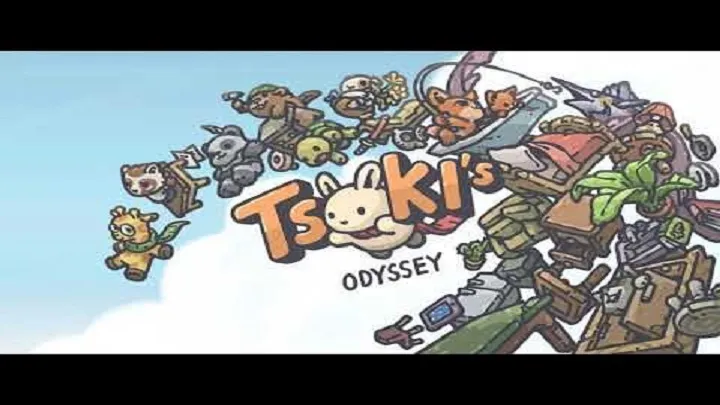
Tsuki’s Odyssey is a heartwarming life simulation game where players follow the gentle adventures of Tsuki, a rabbit exploring a peaceful village. At first glance, the game looks simple: plant carrots, decorate Tsuki’s home, interact with quirky neighbors, and slowly build a tranquil lifestyle. Yet beneath this cozy charm lies one of the game’s most debated issues: the slow pace of progression. While deliberate pacing aligns with the game’s philosophy of relaxation, it also frustrates players used to faster rewards in mobile games. This article explores how slow progression unfolds across different stages of play, its psychological impact, and the ways players and developers navigate this tension.
The First Days of Wonder
When players first enter Tsuki’s world, everything feels fresh. The village is full of unique characters, Tsuki’s home is ready to be decorated, and carrots — the game’s main currency — start flowing from the carrot farm. The early game is intentionally generous to hook players in.

For these first days, slow pacing is not noticeable. New decorations, items, and neighbors arrive quickly enough to give the impression of momentum. Players feel rewarded for logging in frequently, and the world feels alive.
The Emergence of Waiting Mechanics
After a week, the design philosophy becomes clearer. Carrots take longer to accumulate, item prices increase, and waiting for certain interactions becomes common. Suddenly, the cozy pace starts to feel restrictive.
This is the first real test of patience. Players must decide whether they embrace the waiting as part of the game’s charm or see it as an obstacle. For those expecting fast progression, the shift can feel like hitting a wall.
The Mid-Game Plateau
By the second or third week, many players hit a plateau. Decorations and upgrades cost thousands of carrots, while daily farming yields only a fraction of that. Conversations with villagers begin to repeat, reducing the sense of novelty.
At this stage, the slow pace forces reflection. Some players accept Tsuki’s Odyssey as a game to check once or twice a day, not one to grind for hours. Others feel disengaged, perceiving the lack of progress as stagnation. The plateau becomes a filter separating casual admirers from frustrated dropouts.
The Philosophy Behind Slow Progression
The pacing issue is not accidental. The developers clearly designed Tsuki’s Odyssey to resist the typical mobile game loop of constant engagement. Instead, they wanted players to treat the game as a calming break, not a daily grind.
By slowing progression, the game emphasizes mindfulness. It nudges players to enjoy small details, like Tsuki’s expressions or neighbors’ quirky stories, rather than chase material rewards. The philosophy is admirable, but it clashes with mobile gaming norms.
The Psychological Impact on Players
Slow progression impacts player psychology in two contrasting ways. For some, it reduces stress. Knowing that progress will come gradually encourages relaxation and detachment. For others, it generates frustration, especially for players used to rapid reward loops from games like Animal Crossing: Pocket Camp or Stardew Valley.
The divide reflects broader questions in game design. Should games cater to instant gratification, or can they intentionally slow players down to create a different experience? Tsuki’s Odyssey positions itself firmly in the latter camp, which is both its strength and weakness.
Community Reactions and Adaptations
The community surrounding Tsuki’s Odyssey mirrors this divide. Forums and fan groups often feature two types of players: those who celebrate the calm pacing and those who complain about the lack of engagement.
To cope with the pacing, players develop their own strategies:
- Logging in once or twice a day instead of playing constantly.
- Treating the game as a background companion, not a main activity.
- Sharing screenshots and stories online to create external rewards.
These adaptations show that the community plays a vital role in transforming slow progression into a sustainable experience.
Monetization and Its Influence
As with many mobile games, monetization plays into pacing. Players can speed up progression by purchasing premium currency or special bundles. While not as aggressive as in other titles, the option creates tension.
Some players argue that the slow pace exists partly to push microtransactions. Others defend the system, pointing out that the game remains enjoyable without spending. Regardless, monetization amplifies the pacing issue by making it feel, to some, like an artificial barrier.
Long-Term Engagement and Retention
Over months, the pacing issue defines the game’s retention curve. Many casual players drop out after the mid-game plateau, while a dedicated niche stays loyal. These long-term players embrace the slow life philosophy and treat Tsuki’s Odyssey as a comforting ritual.
The game’s retention depends not on daily engagement but on emotional attachment. Players who bond with Tsuki and the village stay, regardless of slow progression. For those without that attachment, the pacing becomes insurmountable.
Lessons for Future Life Simulation Games
Tsuki’s Odyssey offers important lessons for future games in the genre. It shows that slow pacing can create a unique identity, but it must be communicated clearly. Players who understand the philosophy are more likely to accept it, while those who expect fast rewards will feel misled.
Future games may find balance by blending slow, reflective moments with occasional bursts of progression. The challenge lies in maintaining calmness without alienating those seeking momentum. Tsuki’s Odyssey provides a blueprint, but also a cautionary tale.
Conclusion
The issue of slow progression in Tsuki’s Odyssey is both a problem and a defining feature. It frustrates some players while deeply satisfying others. It forces players to question what they want from a mobile game: constant rewards or peaceful companionship.
In the end, Tsuki’s Odyssey succeeds in creating a world that reflects its philosophy. Its pacing may not be for everyone, but for those who accept it, the game becomes a gentle reminder to slow down, breathe, and enjoy small moments — both in the game and in life itself.