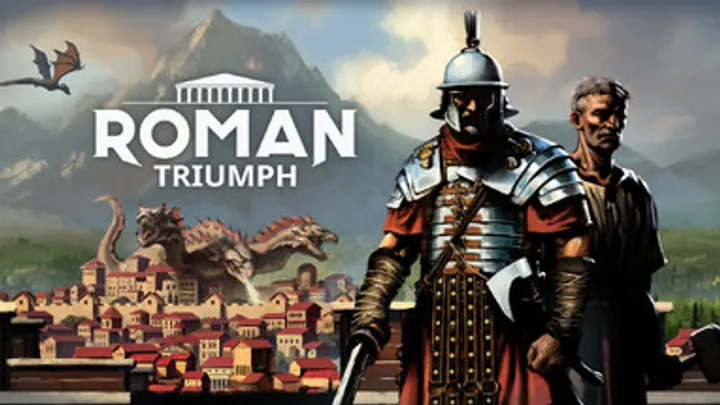





Roman Triumph: Survival City Builder is a survival-focused city-building strategy game where players lead a Roman settlement in dangerous frontier territory. Combining classic city management mechanics with survival challenges and military defense, the game requires players to balance economy, population growth, infrastructure, and protection against hostile threats.
Unlike traditional city builders that focus only on expansion, Roman Triumph places heavy emphasis on survival. Harsh environments, resource shortages, and enemy attacks constantly threaten your settlement. To succeed, players must carefully organize production chains, maintain citizen happiness, and establish strong defenses. This guide explains how to develop a stable Roman city and survive the dangers of the frontier.
1. How to Start Your First Roman Settlement
At the beginning of the game, you arrive with limited resources and a small population. Your first objective is building essential infrastructure that allows your citizens to survive.
Basic buildings such as shelters, resource camps, and storage facilities are critical during the early stages. Without them, your settlement will struggle to grow.
Important early priorities include:
- Constructing temporary shelters
- Building woodcutting camps
- Establishing food production
- Creating storage areas for resources
A stable start makes future expansion much easier.
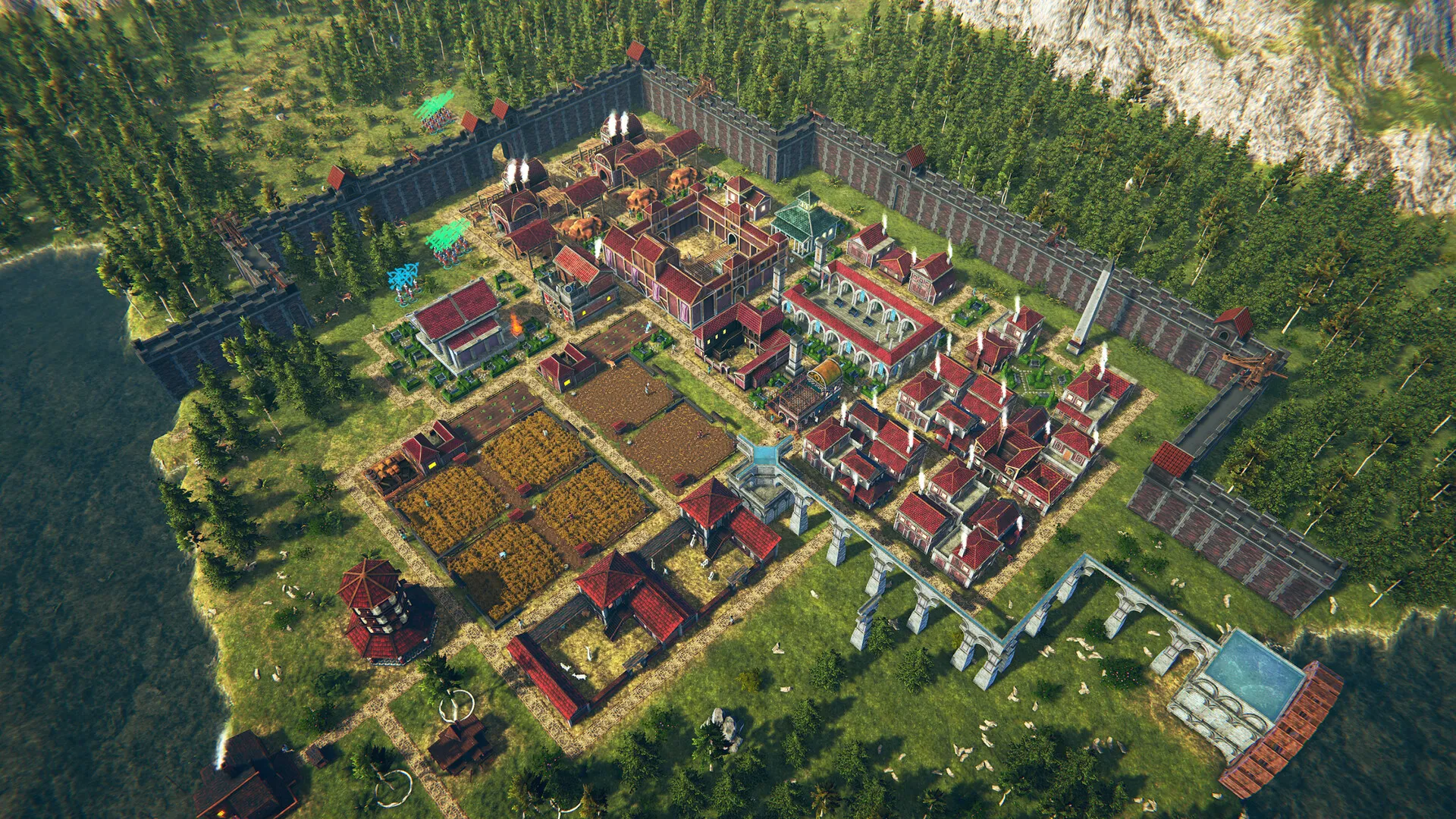
2. How to Gather and Manage Resources
Resources are necessary for construction, crafting, and population survival.
Wood, stone, food, and metals are constantly needed as your settlement expands. Efficient gathering systems ensure stable growth and prevent shortages.
Important resource methods include:
- Chopping trees for wood
- Mining stone and ore deposits
- Hunting wildlife for food
- Farming fertile land
Balanced resource management is essential for survival.
3. How to Design an Efficient City Layout
City organization directly affects productivity. Citizens must physically move resources between buildings, meaning poor layouts reduce efficiency.
Placing buildings strategically minimizes travel time and improves workflow.
Efficient layout strategies include:
- Positioning storage near production buildings
- Keeping homes close to workplaces
- Building connected road systems
- Leaving room for future expansion
Good planning creates a more productive settlement.
4. How to Manage Population Growth
Population growth provides additional workers, soldiers, and economic development.
However, rapid expansion without proper preparation can lead to food shortages and citizen dissatisfaction.
Population management tips include:
- Building enough homes for new families
- Maintaining food surplus
- Providing stable employment
- Improving citizen happiness
A healthy population strengthens the settlement.
5. How to Secure a Stable Food Supply
Food production is one of the most important survival systems in the game.
Without enough food, citizens may become sick, leave the settlement, or die during harsh seasons.
Reliable food sources include:
- Crop farming
- Hunting wild animals
- Fishing nearby waters
- Raising livestock
Diversifying food production protects against shortages.
6. How to Develop Industry and Crafting
As your city grows, you will need advanced industries to support construction and military expansion.
Crafting buildings transform raw materials into useful goods such as tools, weapons, and construction supplies.
Important industrial buildings include:
- Blacksmith workshops
- Lumber processing facilities
- Tool production workshops
- Construction material factories
Industrial growth improves long-term economic stability.
7. How to Build Defensive Structures
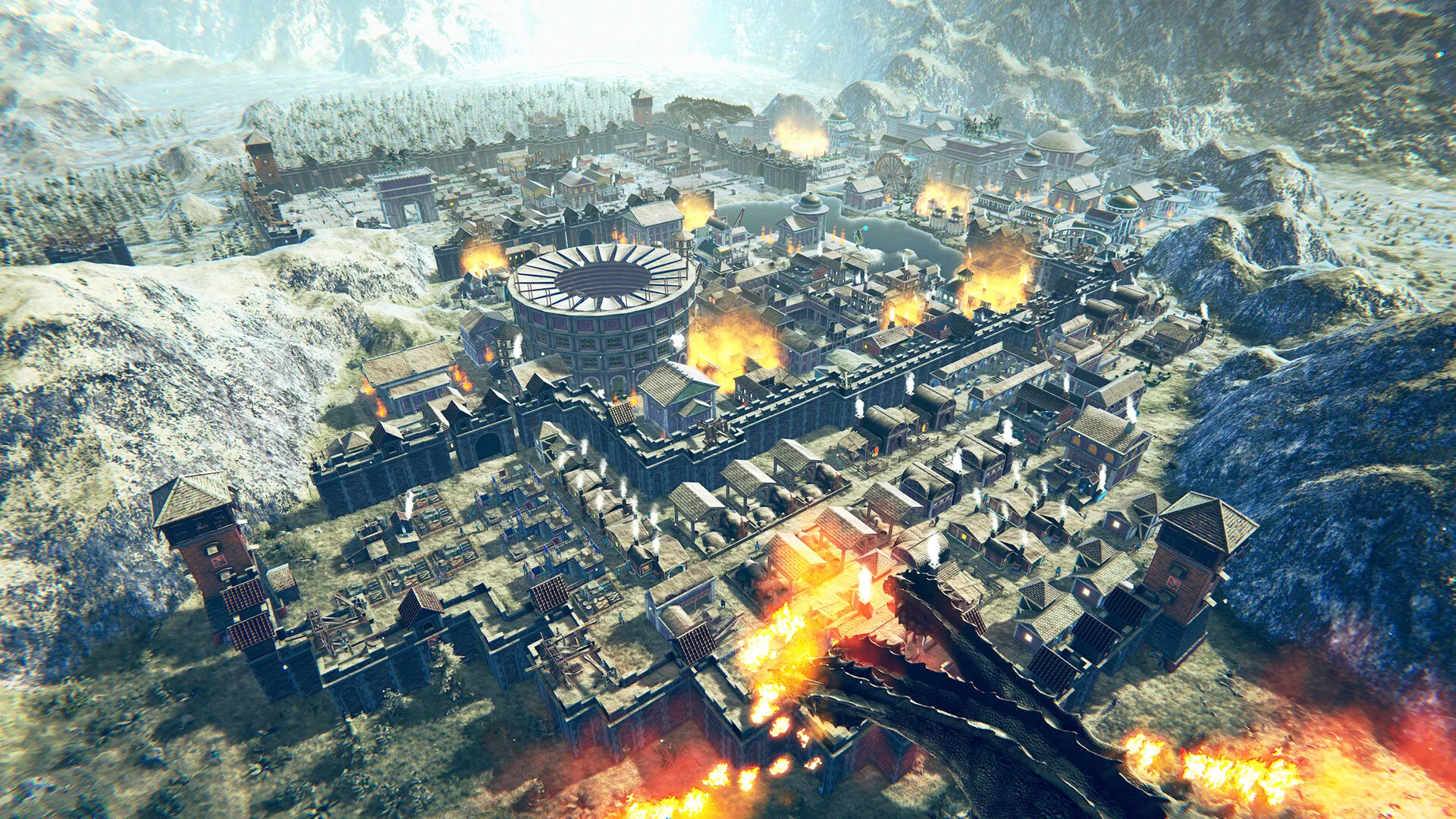
Enemy attacks become more dangerous as your settlement expands.
Building defenses early helps protect your citizens and infrastructure from destruction.
Defensive structures include:
- Wooden or stone walls
- Guard towers
- Defensive gates
- Barricades and fortifications
Strong defenses reduce the risk of invasion.
8. How to Train and Manage Your Army
Military forces are essential for protecting your settlement and expanding territory.
Training soldiers requires equipment, resources, and organized leadership.
Military management strategies include:
- Recruiting healthy citizens
- Producing weapons and armor
- Training defensive formations
- Positioning troops near vulnerable areas
A disciplined military ensures the safety of your city.
9. How to Expand Your Territory
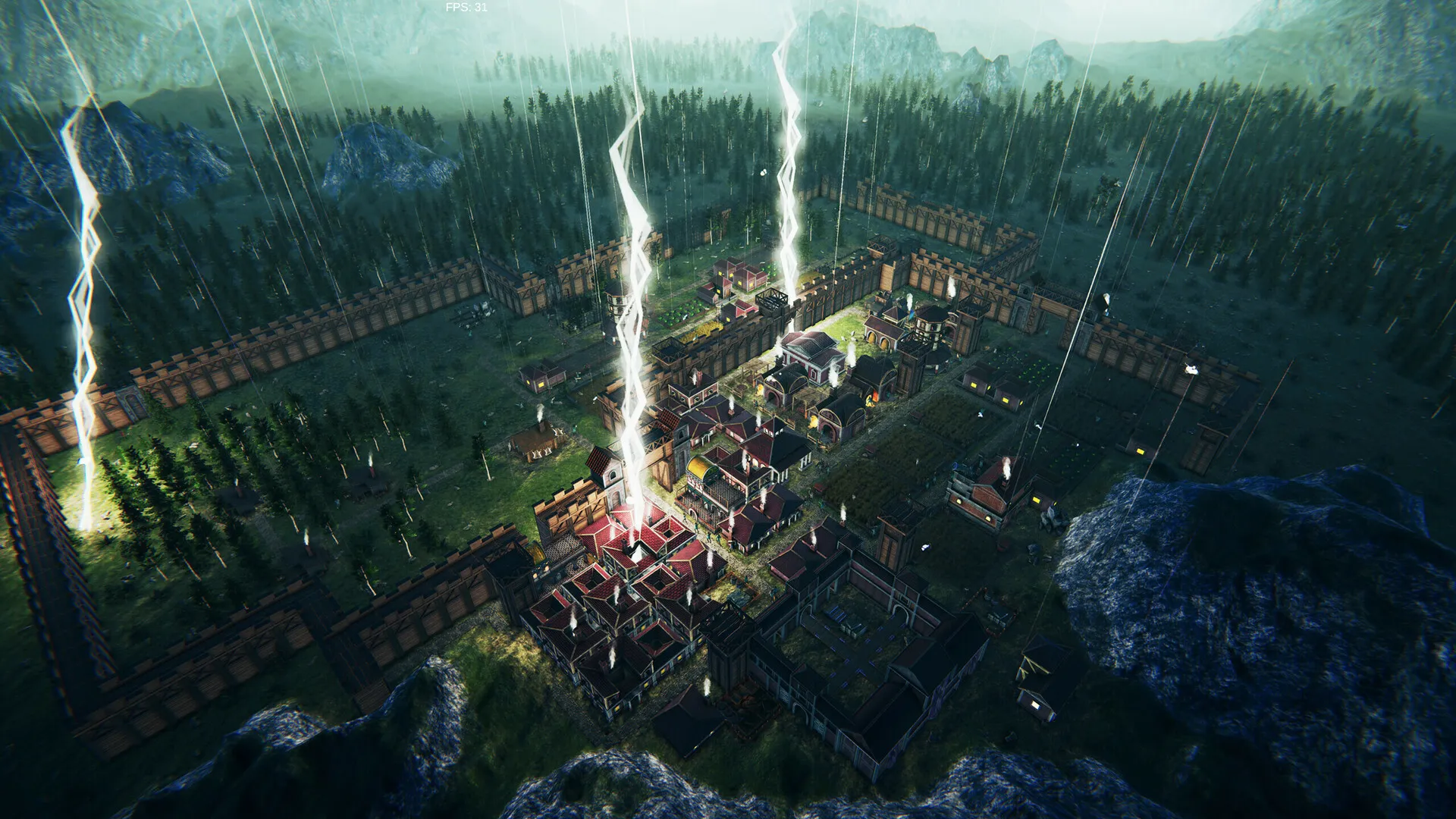
Once your settlement becomes stable, expanding into nearby regions allows access to additional resources and strategic advantages.
However, expansion also increases the need for defense and logistics.
Expansion strategies include:
- Securing resource-rich territory
- Establishing outposts
- Maintaining supply routes
- Protecting trade connections
Careful expansion leads to sustainable growth.
10. How to Achieve Long-Term Prosperity
Long-term success in Roman Triumph depends on balancing economy, military strength, population growth, and infrastructure.
Cities that expand too quickly may collapse under resource shortages or enemy attacks.
Long-term goals include:
- Expanding industrial production
- Improving citizen living standards
- Strengthening military defenses
- Maintaining stable trade systems
Balanced development creates a thriving Roman city.
Conclusion
Roman Triumph: Survival City Builder offers a challenging blend of survival strategy and city-building gameplay set in the Roman era. Players must carefully manage resources, construct efficient infrastructure, and defend against constant external threats while expanding their settlement.
By mastering economy management, city planning, and military defense, players can transform a vulnerable frontier outpost into a prosperous Roman stronghold capable of surviving any challenge.