.webp)




Introduction
Storytelling in video games has evolved far beyond simple objectives and dialogue boxes. Modern narrative-driven games attempt to create emotional engagement comparable to films or novels while still preserving player agency. Achieving this balance is extremely difficult because games must allow interaction without breaking narrative consistency.
Several story-focused titles stand out not only for their popularity but also for how they experiment with storytelling systems. Games such as Disco Elysium, A Plague Tale: Requiem, Detroit: Become Human, Life Is Strange, and The Wolf Among Us demonstrate different approaches to interactive narratives. Despite their success, each faces a specific storytelling challenge that reveals the complexity of narrative game design.
This article examines five story-driven games through a deeper lens, focusing on the structural issues behind interactive storytelling rather than general praise.
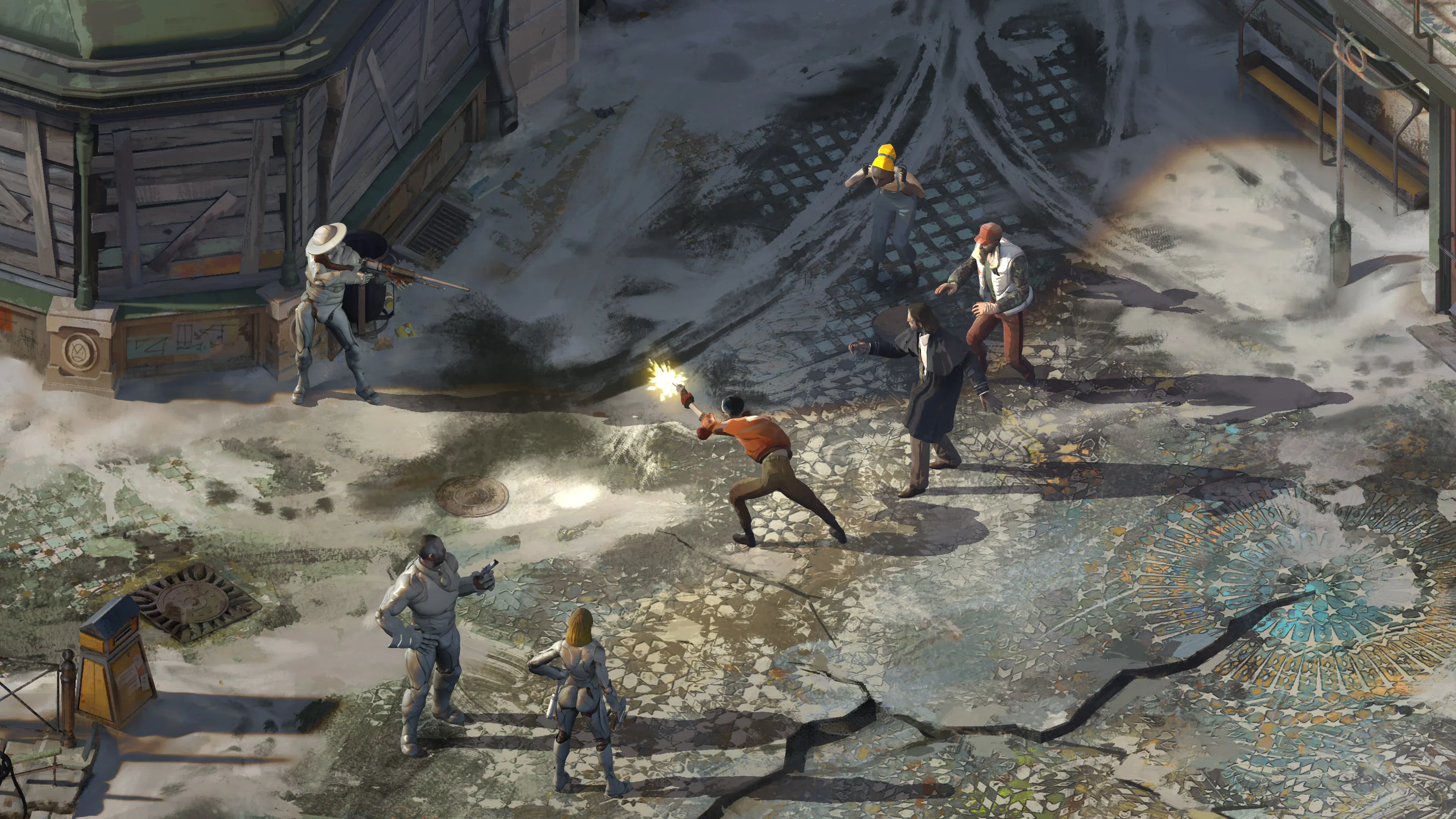
Disco Elysium and the Problem of Unlimited Dialogue Freedom
Role-playing game Disco Elysium redefined narrative design by replacing traditional combat systems with dialogue and psychological choices. Players control a detective whose personality evolves through internal conversations representing different aspects of his mind.
The game’s greatest strength—its enormous dialogue system—also introduces significant design complexity.
Player freedom vs narrative coherence
Because players can shape the protagonist’s personality through choices, writers must account for countless behavioral variations. Maintaining a coherent story despite wildly different character builds requires extraordinary narrative planning.
Writing consequences without restricting players
Every decision must feel meaningful without forcing a single “correct” path. This leads to massive branching dialogue structures that are difficult to sustain across long play sessions.
Key narrative challenges include:
- Managing thousands of branching dialogue outcomes
- Maintaining consistent tone across choices
- Preventing narrative contradictions
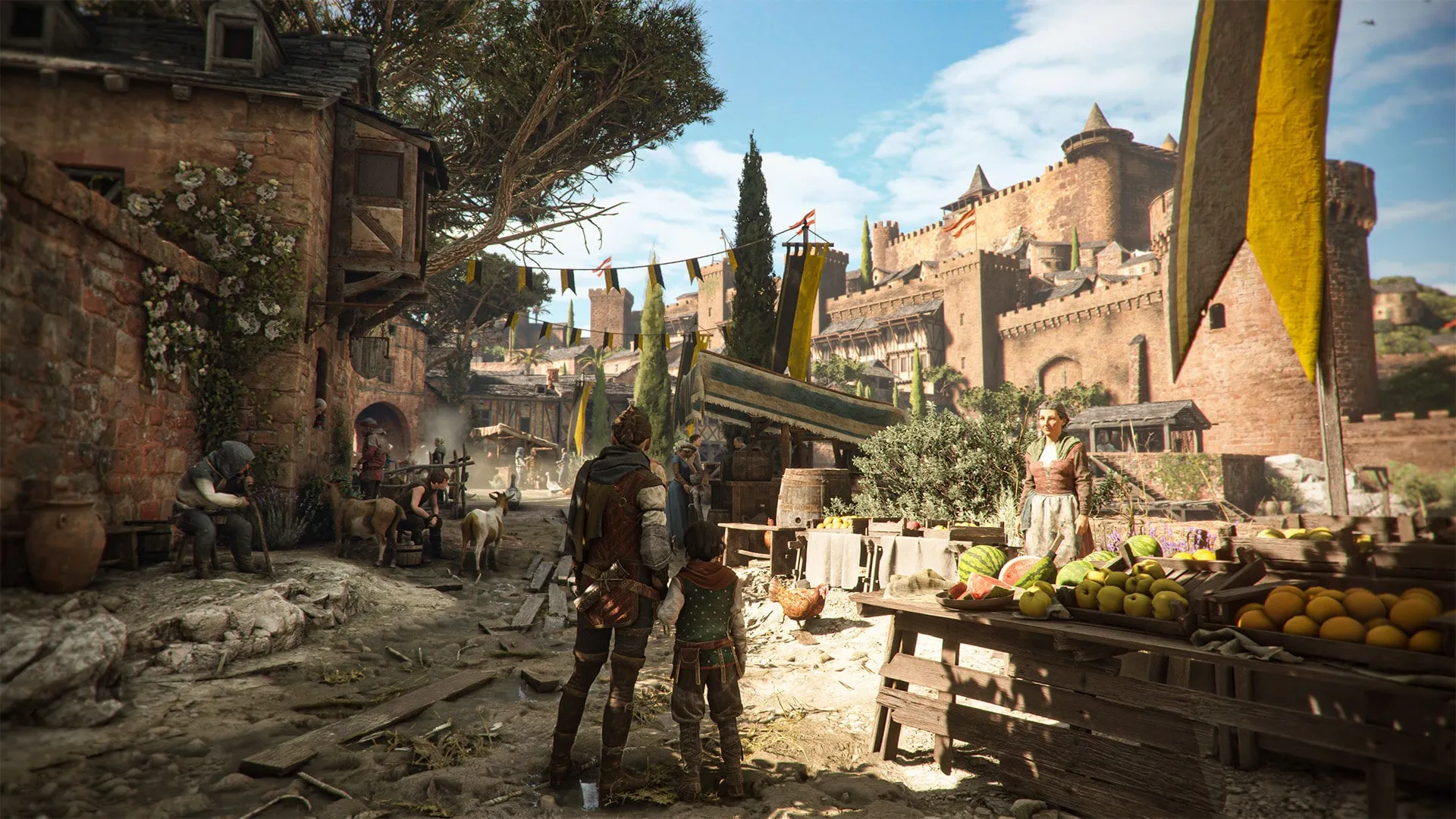
A Plague Tale: Requiem and Emotional Pacing in Linear Stories
Adventure game A Plague Tale: Requiem delivers a highly cinematic story centered on survival and family bonds in a dark historical setting. Unlike open-world games, it relies on a tightly controlled narrative pace.
However, linear storytelling creates unique risks.
Balancing gameplay and emotional storytelling
If gameplay sequences become too long, emotional momentum weakens. If story scenes dominate, players may feel disconnected from interaction.
Maintaining tension across long narratives
The game must continuously escalate emotional stakes without exhausting players.
Design issues include:
- pacing between action and quiet moments
- avoiding emotional fatigue
- keeping gameplay aligned with narrative themes
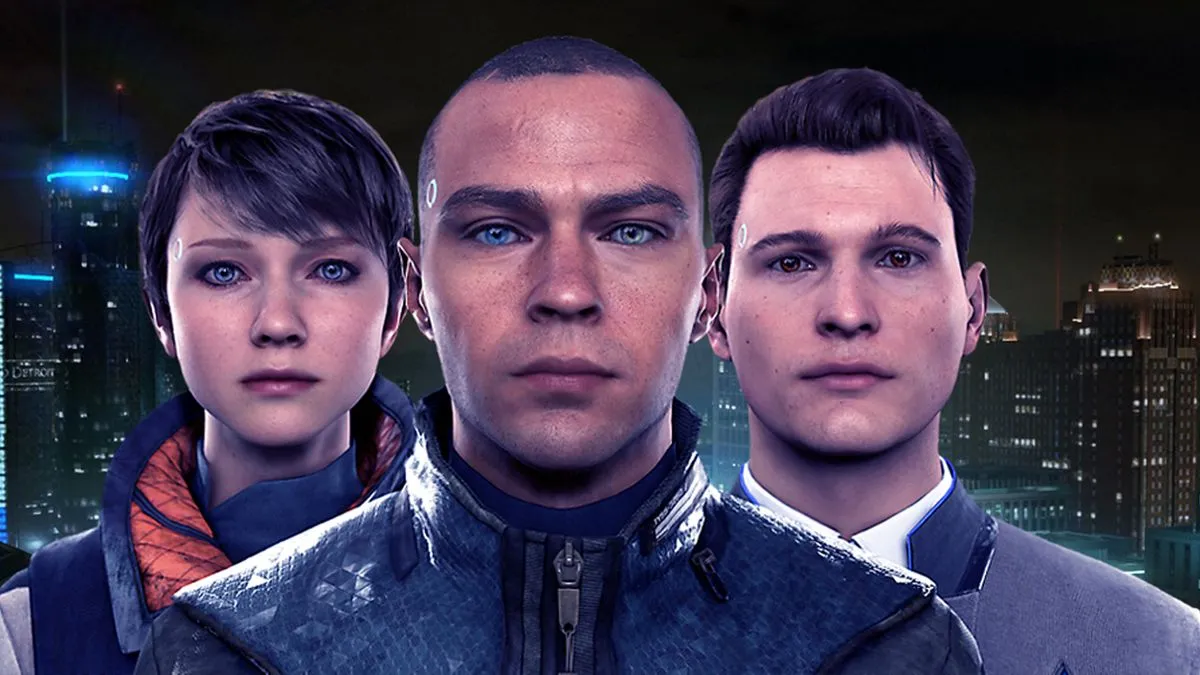
Detroit: Become Human and the Illusion of Choice
Interactive drama Detroit: Become Human is famous for its branching storylines and multiple endings. Players control several android characters whose decisions shape the future of society.
The game promises meaningful choice, but designing true player agency is extremely complex.
Branching paths vs development limitations
Each new decision path multiplies the amount of content developers must create. Eventually, practical limits force many branches to reconnect.
Player perception of consequence
Even when outcomes differ slightly, players must feel their choices matter emotionally.
Core challenges include:
- balancing narrative complexity with production limits
- ensuring choices feel impactful
- avoiding predictable branching patterns
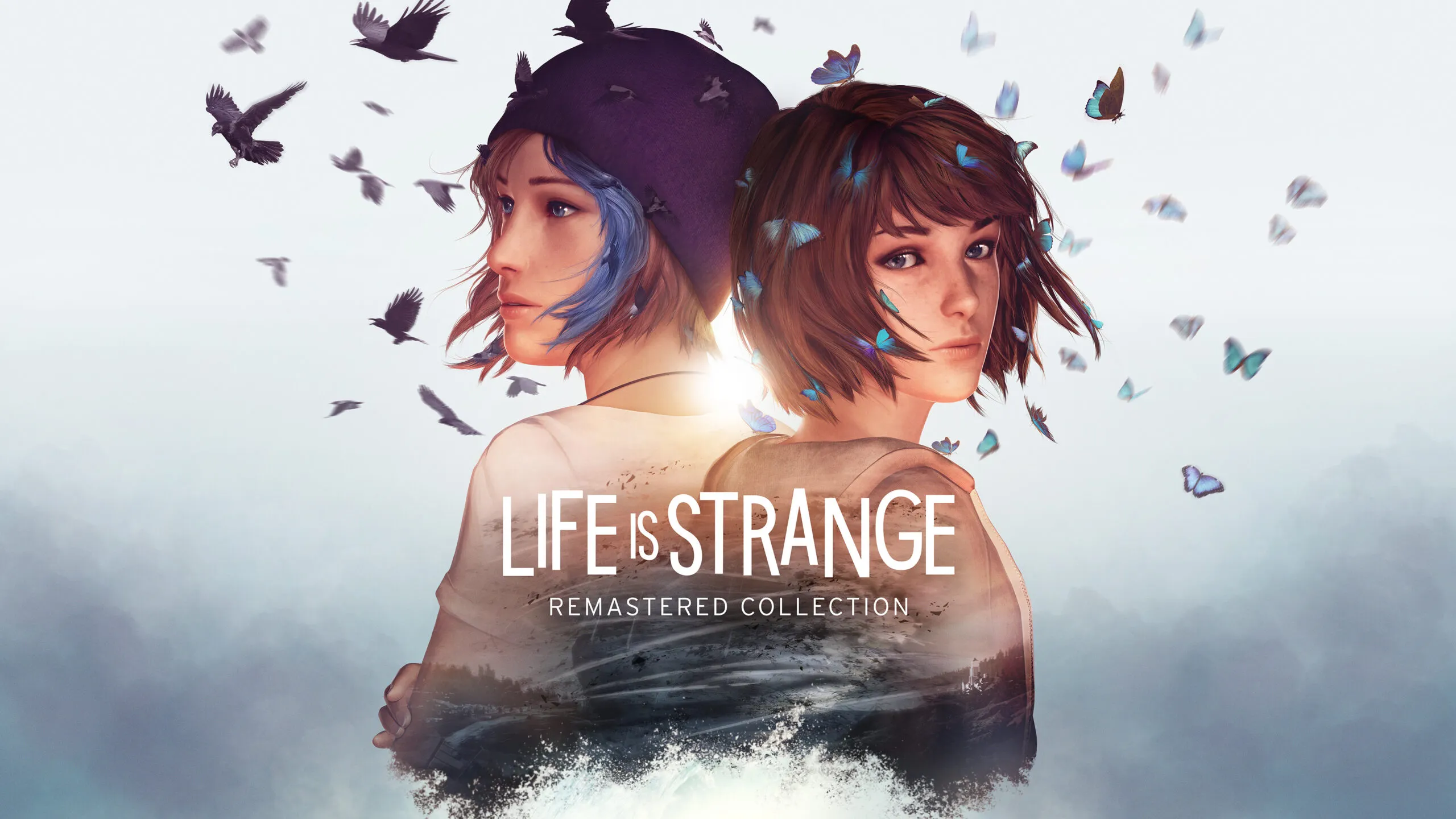
Life Is Strange and the Challenge of Episodic Storytelling
Narrative adventure Life Is Strange gained recognition through its episodic release format. Players experience the story over multiple episodes released months apart.
This structure introduces storytelling difficulties uncommon in traditional games.
Maintaining emotional continuity between episodes
Players may forget details during long release gaps, weakening emotional connections.
Designing cliffhangers responsibly
Each episode must end with tension while still feeling complete.
Common episodic challenges include:
- pacing story arcs across releases
- maintaining player engagement over time
- balancing recap information with narrative flow
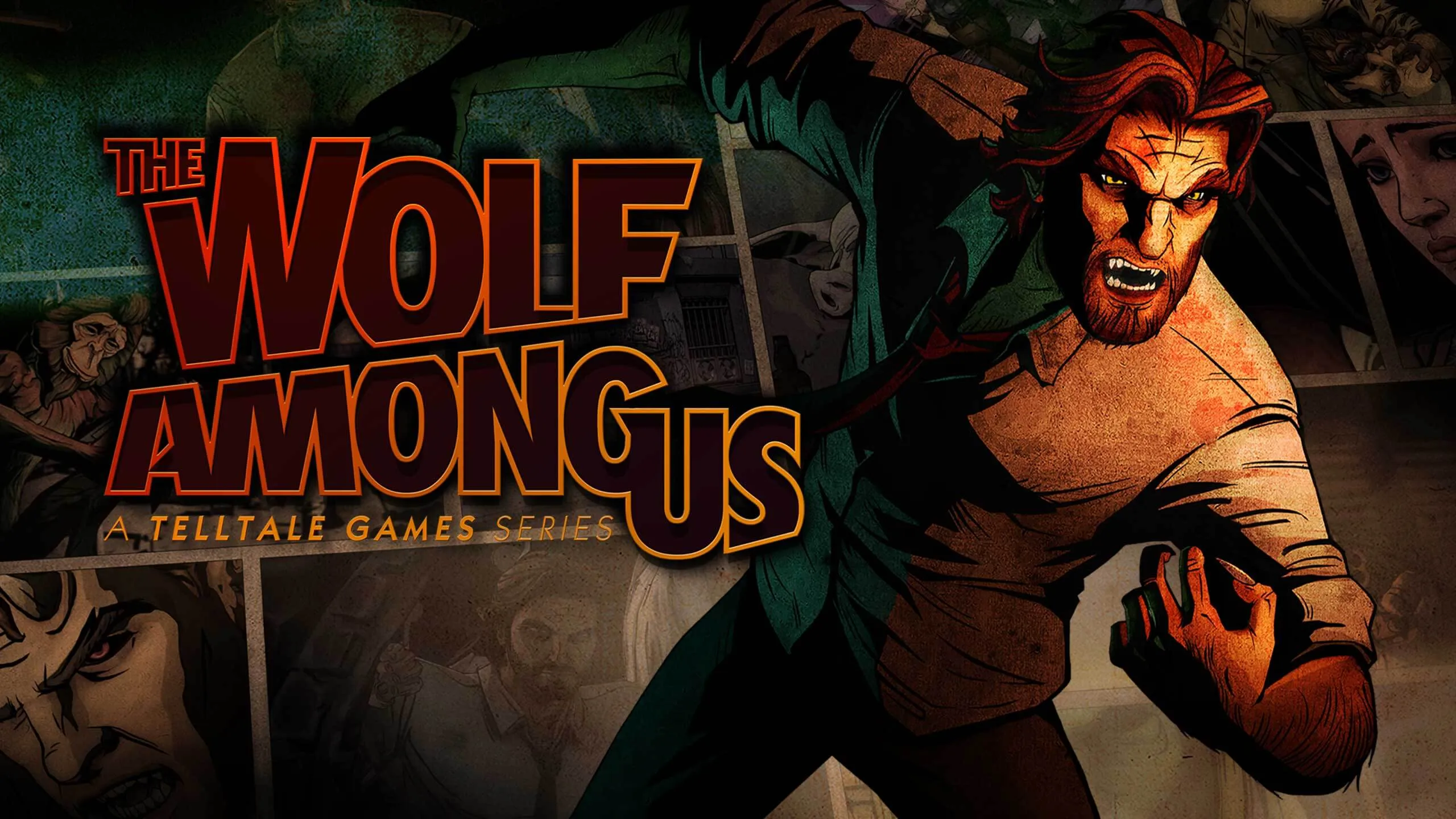
The Wolf Among Us and Adapting Existing Fiction
Based on the Fables comic series, The Wolf Among Us adapts an established fictional universe into an interactive format.
Adapting existing material creates unique creative constraints.
Respecting source material while allowing player choice
Developers must preserve recognizable characters while allowing players to influence outcomes.
Tone consistency in branching narratives
Dark themes require careful writing to maintain atmosphere regardless of player decisions.
Challenges include:
- honoring original lore
- balancing fan expectations with innovation
- maintaining character authenticity across choices
Player Agency as the Core of Narrative Games
All five games rely heavily on player agency—the feeling that actions influence the story. However, true agency is difficult to achieve because narratives require structure.
Developers must balance:
- freedom of choice
- storytelling clarity
- emotional pacing
Too much freedom risks narrative chaos, while too little reduces engagement.
Emotional Investment and Interactive Storytelling
Narrative games succeed when players emotionally connect with characters. Unlike passive media, games must create empathy through interaction rather than observation alone.
Techniques used include:
- dialogue-based decisions
- environmental storytelling
- moral dilemmas
- character-driven gameplay mechanics
These systems transform players from viewers into participants.
Technical Constraints Behind Narrative Design
Story-driven games often appear simple compared to action-heavy titles, yet they require enormous writing, voice acting, and animation resources.
Major technical challenges include:
- recording thousands of dialogue variations
- synchronizing animation with branching outcomes
- testing multiple narrative paths
These hidden complexities explain why narrative games take years to develop.
The Evolution of Storytelling in Games
Modern narrative design increasingly blends cinematic presentation with interactive systems. Developers experiment with nonlinear storytelling, dynamic dialogue systems, and player-driven narratives.
Future storytelling trends may involve:
- AI-assisted dialogue systems
- adaptive storylines responding to player behavior
- deeper emotional simulation systems
These innovations may redefine how stories are experienced in games.
Conclusion
Games like Disco Elysium, A Plague Tale: Requiem, Detroit: Become Human, Life Is Strange, and The Wolf Among Us demonstrate that storytelling in games is both an artistic and technical challenge. Each title explores different solutions to problems such as player choice, emotional pacing, episodic structure, and adaptation of existing narratives.
Their success shows that interactive storytelling continues to evolve, pushing games closer to becoming one of the most powerful narrative mediums of modern entertainment.
160-Character Summary
An in-depth analysis of five story-driven games exploring narrative design challenges, player choice systems, emotional pacing, and interactive storytelling evolution.